4-Season Tents decoded
A 4-season tent costs two to three times as much as a good 3-season tent, and most people don't need one. If you do (snow camping, high winds, alpine routes), the differences are structural, and you can read them on a spec sheet. Here's how.
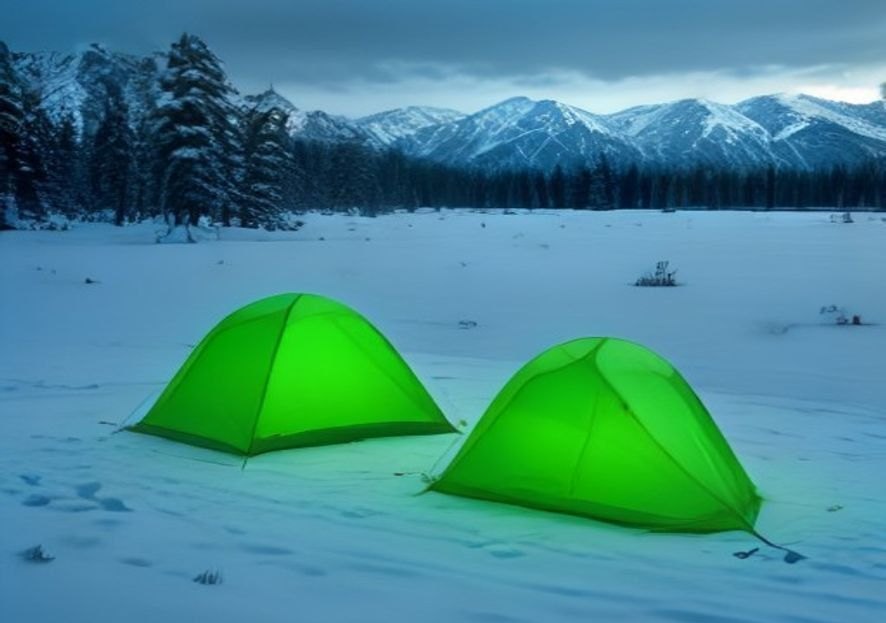
How to read this guide: these are researched gear classes and examples, not firsthand product tests. Purchase links are paused until exact models and retailer destinations are verified.
How this guide was built: this guide explains tent design and compares classes of 4-season tent using manufacturer specs, materials data and long-term owner and guide reports. We haven't run our own storm tests, so there are no lab scores here.
Affiliate disclosure: the "Check price" buttons are Amazon affiliate links. As an Amazon Associate, Field Buyers' Compass earns from qualifying purchases, at no extra cost to you. Links never decide what we recommend. Each link goes to the exact model named, and we checked it on October 17, 2026. Sellers change on Amazon, so check that the listing says "Sold by" Amazon or the brand before you buy. Full disclosure.
Do you actually need one?
Only if you'll camp with snow loading, sustained high wind or real alpine exposure. For cold, wet three-season trips, a quality 3-season tent is lighter, better ventilated and cheaper. Careful site selection (wind shelter, no avalanche runout, snow walls) does more for most winter campers than an expedition tent.
What makes a tent 4-season

- More pole crossings: geodesic and semi-geodesic designs spread snow and wind load across many points. More crossings means a stiffer tent and more weight.
- Low, steep geometry: sheds snow and presents less surface to the wind.
- Fly that reaches the ground and solid inner panels, to stop spindrift blowing in.
- Many guy-out points and snow flaps or stake loops that work with snow anchors.
- Bigger vestibules for cooking (ventilated) and storing wet gear in bad weather.
Single wall or double wall?
| Design | Typical weight (2P) | Condensation | Best for |
|---|---|---|---|
| Double-wall expedition | ~3.5–5 kg | Managed well | Basecamps, long storms, expeditions |
| Double-wall mountaineering | ~2.5–3.5 kg | Managed well | Most winter camping |
| Single-wall (e.g. Black Diamond Firstlight/Eldorado style) | ~1.3–2.5 kg | Frost and drips in wet cold | Fast alpine pushes, dry cold |
| Hybrid / convertible | ~2–3 kg | Depends on setup | Shoulder seasons plus some winter |
Single-wall tents save weight and pitch fast, but your breath freezes on the inside of the wall and falls back on you, especially in wet snow. In dry, cold climates they work well. If you're camping for several days in a storm, double-wall is the safer choice.
Specs worth reading
Floor hydrostatic head is the water pressure the fabric resists before it leaks. Around 3,000 mm is fine for fair weather, and around 5,000 mm or more handles snowmelt and kneeling on wet ground. Use a footprint either way. Fly fabric denier trades weight for tear strength. Pole material (aluminum alloys such as DAC) matters, because a pole that bends can be splinted, but one that shatters can't.
Weight is a trade, not a feature. Every kilo saved comes from pole diameter, fabric or floor thickness. Buy for the worst night you'll realistically face, not the best photo.
Classes to look at
The expedition dome
Examples: The North Face VE 25, Hilleberg Saivo / Keron
- Multi-pole geodesic or tunnel designs built for days of storm
- Heavy and roomy; made for basecamps and expeditions
- Look for: double wall, large vestibules, many guy-outs
The mountaineering 2P
Examples: Hilleberg Allak, Mountain Hardwear Trango
- Double-wall, freestanding or semi-freestanding
- The balance of weight, strength and livability most buyers want
- Look for: fly-first or all-together pitching so the inner stays dry
The single-wall alpine tent
Examples: Black Diamond Firstlight, Eldorado
- The lightest real 4-season shelters
- Condensation is the trade-off; best in dry cold
- For ski tours and alpine routes rather than long storms
The "3-plus" tent
Examples: MSR Access
- Sturdier than 3-season, lighter than full mountaineering tents
- Good for snow camping below treeline
- Not built for exposed ridges in big storms
Expensive gear, honest reviews. Buy it once.
Before the first trip
Seam-seal anything the manufacturer doesn't factory-tape, practice pitching with gloves on in your yard, and carry a pole repair sleeve. Most tent failures in winter come from setup errors, not the fabric.
What owners say: Reddit and forum reports
We read owner threads on r/Ultralight, r/CampingGear, r/hilleberg, r/WildernessBackpacking and r/ULHikingUK. These are patterns that came up again and again, not our own test results. Owners don't always agree, and where they split we say so.
Owners trust them in storms
- Hilleberg owners consistently describe their tents as storm-proof and long-lasting, and say that's what justifies the price.
- No 4-season tent is condensation-free. Owners say venting, even when it's cold, matters more than the brand.
- Double-wall designs stay warm in winter but can feel stuffy in mild weather.
A winter tent for below treeline
- Owners like it as a light winter tent for ski touring and snowshoeing.
- Some say it gets hammered in strong winds around 40 mph. For exposed alpine camps, they choose a mountaineering tent.
- It sheds snow well when it's pitched tight and guyed out.
Light and strong, but damp inside
- Alpine users praise it as a light, strong shelter for short, cold trips.
- Condensation is the most common complaint, as with most single-wall tents.
- Several owners say it needs seam sealing before it's fully waterproof.
Threads we read (sample): Switching from Hilleberg · Allak 2 in practice · Hilleberg venting in mild weather · Opinions on the MSR Access · MSR Access in high wind · 4-season freestanding tents · Firstlight condensation. Last checked October 17, 2026.
FAQ
Do I really need a 4-season tent? +
Only for snow loads, sustained high winds or alpine exposure. For cold or wet three-season trips, a good 3-season tent plus careful site selection is lighter and cheaper.
Single-wall or double-wall for winter? +
Double-wall manages condensation and warmth better and is the standard for multi-day storms. Single-wall saves weight and pitches faster, and works best in dry cold.
What floor rating do I need for snow camping? +
Aim for roughly 5,000 mm hydrostatic head or a footprint over a lighter floor, because kneeling and lying on melting snow pushes water through low-rated fabric.
Is an expensive 4-season tent worth it? +
If your winter plans are real, yes. The differences are structural: pole quality and geometry, fabric strength, floor rating and quality control, which are what matter in a storm.
How do I reduce condensation in a winter tent? +
Keep the vents open even when it's cold, pitch where there's some air movement, and avoid cooking or drying wet gear inside. Owners also wipe down the walls in the morning. No winter tent avoids condensation completely.
Is the MSR Access a true 4-season tent? +
It's built for snow, but owners describe it as best below treeline. For exposed, windy alpine camps, they pick a mountaineering tent instead.
Do single-wall tents need seam sealing? +
Some do. Black Diamond Firstlight owners often report needing to seam-seal before it's fully waterproof. Check the manufacturer's instructions for your tent.
Affiliate links on this page are marked "Check price" and earn us a commission on qualifying Amazon purchases. Models without a button have no verified link yet. Prices change often.
New guides, monthly.
One email a month: new buying guides, what's worth your money this season, and the deals worth knowing about. No fluff, no fake urgency.